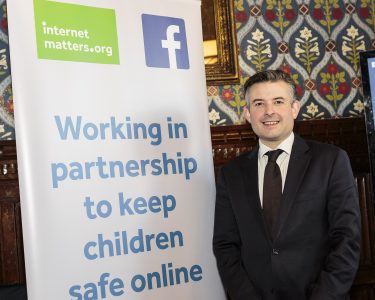
In a world-first move, Australia has introduced a groundbreaking law banning children under 16 from using major social media platforms.
This new legislation requires social media companies to block new underage users and close existing accounts belonging to children under the age limit. The decision comes amid growing concerns about the impact of social media on young children’s mental health, safety, and wellbeing.
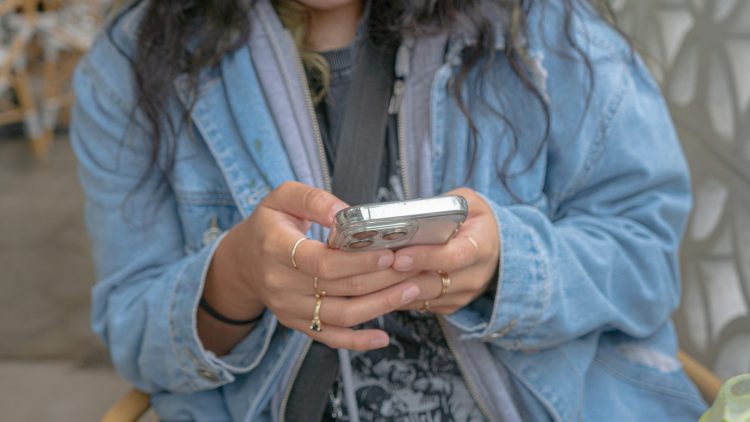
Picture credit: Unsplash
Parents and grandparents worldwide are increasingly worried about what children see online — from cyberbullying and grooming to harmful content that glorifies self-harm, eating disorders, and suicide. This Australian social media ban reflects a global trend towards protecting children from the dangers of the digital world.
Why Australia’s Social Media Age Restriction Matters
Critics often label such restrictions as “nanny state” overreach. However, age restrictions are already common in many areas of life. Society restricts children from buying alcohol, driving cars, or watching age-rated films because these activities carry risks they are not ready to handle. The online world, arguably more influential and pervasive than traditional media, has escaped similar regulation for too long. This double standard is becoming harder to justify, especially given the documented risks of social media for young users.
The Impact of Social Media on Children’s Mental Health
Research shows that social media use among children and teenagers can contribute to anxiety, low self-esteem, depression, and exposure to harmful behaviours. Parents and educators are increasingly calling for stronger protections, including clear age limits and better digital education. While banning children under 16 from social media is not a cure-all, it is a significant step towards safer online spaces.
Balancing Digital Literacy and Online Safety
Some experts warn that banning young children from social media could hinder digital literacy or push them towards less regulated parts of the internet. Others argue that parenting, education, and support are more effective than legislation alone. However, a clear social media age restriction can work alongside improved digital literacy programmes, safer platform designs, and family support services to create a healthier online environment.
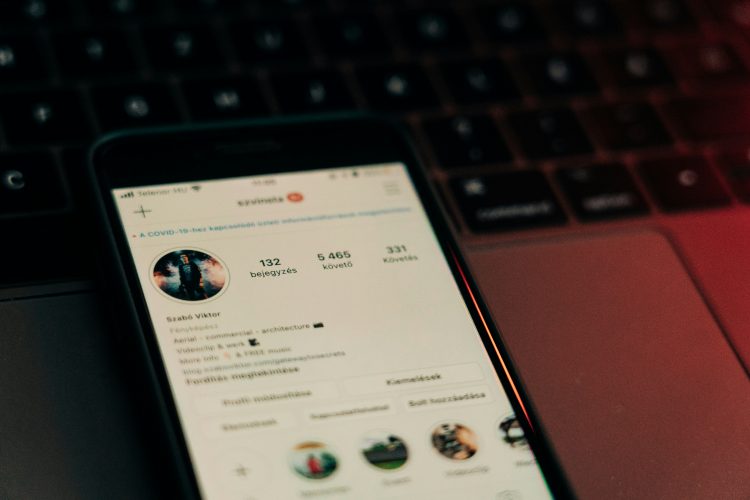
Picture credit: Unsplash
The UK’s Approach: Smartphone Bans in Schools
In the UK, schools are tackling related issues by debating smartphone bans during the school day. Teachers, parents, and campaigners argue that limiting phone use in schools can improve attention, learning outcomes, and student wellbeing. While not a complete solution, “phone-free schools” could help create a better classroom environment and reduce distractions caused by constant connectivity.
Why the UK Should Consider Australia’s Social Media Ban
Australia’s bold social media ban forces a crucial question for the UK and other countries: if social media contributes to mental health issues and online abuse among young people, how long can we continue to treat it as “just part of growing up”? Protecting children online requires more than guidelines and good intentions; it demands clear, enforceable age limits.
Like other adult spaces, social media should be considered unsuitable for young children. Introducing a minimum age requirement, combined with digital education and parental support, can help keep children safer online while preparing them for responsible digital citizenship.
By Suleman Nagdi