

When Virendra Sharma stepped off a plane from Punjab in 1968-newly married and only just finding his feet in West London-he entered a Britain that was far from welcoming. His first job, as a bus conductor on route 207, exposed him immediately to the realities of the time.
“Employers could sack you for any reason. There were no anti?discrimination laws. Women had no protections either. That was the environment we lived in,” he recalls. Abuse, both on the streets and on the buses, was routine. “Some people accepted it. I couldn’t.”
That refusal became the spark for a lifetime of activism. He joined the trade union movement and community groups such as the Indian Workers’ Association, campaigning for rights that are now taken for granted. “We helped people understand the system-jobs, housing, education. Thousands of us fought. Eventually the laws changed, and society changed with them.”
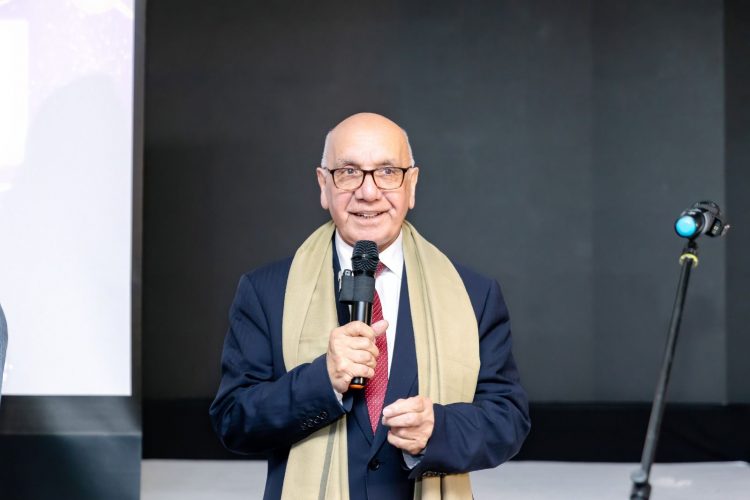
Sharma’s political rise was slow and steady: trade unionist, scholarship student at the LSE, community relations officer, then national officer for the Labour Party. In 1982 he was elected a councillor in Ealing, serving for more than two decades.
His entry into Parliament came in 2007 after a by?election triggered by the death of his predecessor. “The party was divided. People defected. It was Gordon Brown’s first by?election,” he says. “But I had lived in Southall since arriving in Britain. People knew me. We held the seat.”
Criticism, he believes, is woven into democratic life. “People have every right to question their representatives. If the criticism is fair, you learn from it. If it’s unfair, you move on. What people don’t have a right to do is intimidate.”
Despite the pressures of Westminster, Sharma never saw politics as a route to personal gain. “Public service is service-not greed,” he says simply.
He is proudest not of major infrastructure projects-though he cites the Elizabeth Line and the fight to protect Ealing Hospital-but of the thousands of small, personal interventions that shape constituency work.
“When you help a family secure the school their child needs, or reunite a couple separated by visa issues-that’s a real achievement. Politics is built on everyday victories.”
True to that philosophy, Sharma never sought a safer seat or looked elsewhere. “I always felt I could represent Ealing Southall better than anywhere else. This is my home.”
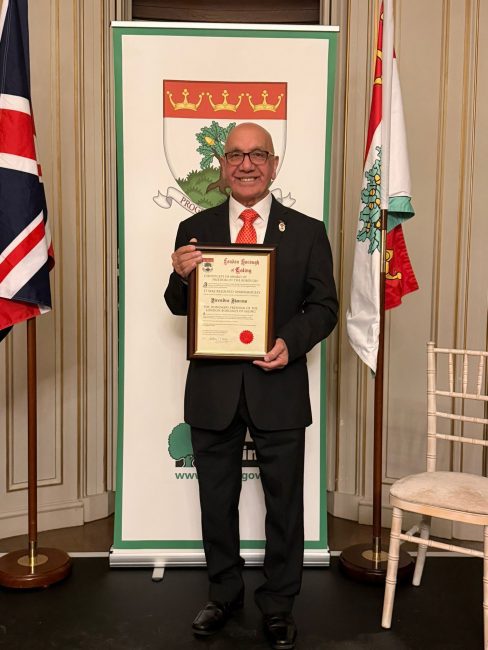
He recently received the Freedom of the Borough of Ealing-an honour he views as collective rather than individual. “It recognises my service, yes, but also the contribution of my family and my community. It’s a shared award.”
Even in his seventies, the idea of stepping back holds little appeal. “I’m retired from Parliament, not from the community,” he laughs. “I will keep serving until my last breath.”
His final message is aimed squarely at those who hope to follow in his footsteps. “Public service is the most satisfying role you can choose. But do it for service, not greed. If anyone from the next generation wants guidance, I’m here. With 50 years of experience, I want to pass it on.”
By Romail Gulzar



