There seem to be two types of people in my life: those who send me a constant stream of negative news and stories, and those who share things that are uplifting and hopeful.
We are all exposed to similar headlines and reports, so repeatedly forwarding upsetting content does little to inform or educate. Instead, it often leaves us feeling anxious, helpless or desensitised to the suffering of others.
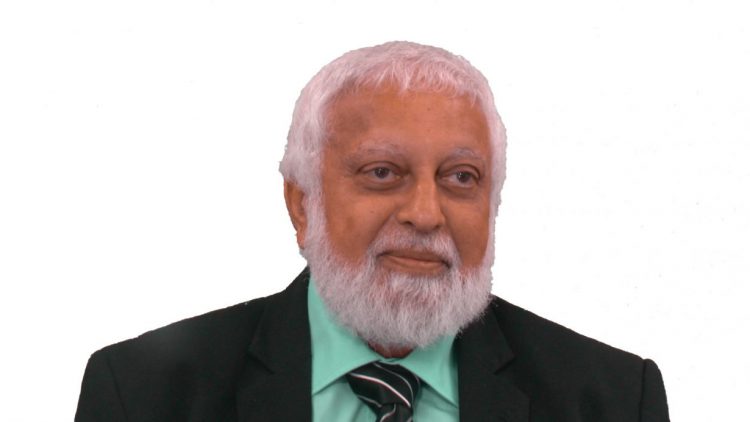
Picture credit: Pukaar News
I would much rather we shared good news and positive stories that lift our spirits and help us to feel grateful. Even when the world appears dark, there is still an abundance of light in our common humanity. My own faith teaches that when we are faced with something bad, we should respond with something good, and that there is wisdom in doing so. Choosing to highlight kindness, courage and compassion is not naive; it is a deliberate act of resistance against despair.
Over the decades, I have been blessed to meet remarkable people of different faiths, beliefs and backgrounds who have had a deeply positive influence on me. Their examples remind me that most people, despite their flaws and struggles, are fundamentally inclined towards goodness. They volunteer quietly, support neighbours, care for the vulnerable and work to build understanding across divides.
None of this is to deny that serious challenges exist, at home and globally. But if we only amplify what is broken, we risk overlooking the countless efforts to mend and heal. Perhaps it is time we invested more energy in nurturing and sharing stories of what is going right, of people who are trying to make things better in small and large ways.
I recommend that we all become a little more intentional about what we pass on to others. Before pressing “send”, we might ask: will this leave someone feeling heavier, or will it give them a reason to hope? If we can shift even a small part of our attention towards constructive and inspiring stories, we may help to cultivate a more balanced, resilient and hopeful public conversation.
Disclaimer: This is an opinion piece written by community leader Suleman Nagdi. The views of the author do not necessarily reflect the views of Pukaar News.