

By Suleman Nagdi
In the wake of the recent parliamentary debate on assisted dying, the Leicester Council of Faiths hosted a significant discussion at Neve Shalom Synagogue, bringing together speakers from a wide range of faiths and beliefs to explore this sensitive and complex issue.
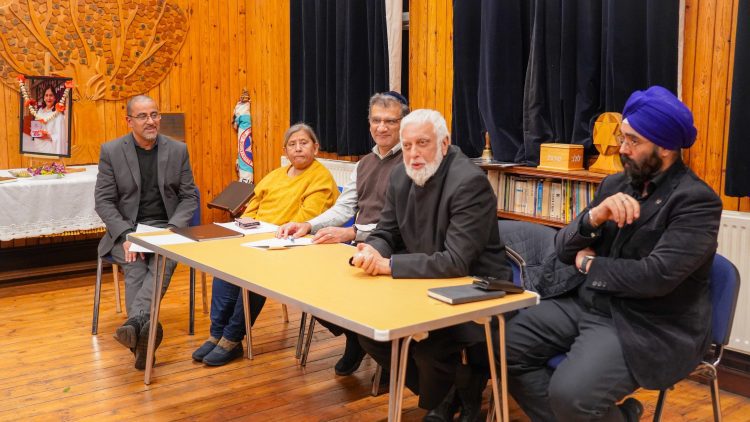
Participants expressed a variety of deeply held views. Some stated that their faith guides their conscience against supporting assisted dying, while recognising that others from different religious and belief backgrounds hold diverse opinions. The debate was conducted with dignity and a strong sense of empathy for all involved.
Many attendees emphasised the sanctity of life and voiced concerns about the potential normalisation of assisted dying. They argued that decisions regarding the end of life should not rest solely with individuals, urging society instead to prioritise comprehensive support for those living with terminal illnesses.
Conversely, others framed assisted dying as an expression of personal autonomy and compassion. They argued that individuals facing unbearable suffering should have the right to choose their own end-of-life path, provided appropriate safeguards are in place. Concerns were also raised that denying this choice could prolong unnecessary suffering for both patients and their families.
Despite differing viewpoints, a unifying theme emerged: the belief that every person deserves dignity and compassion in their final days, alongside urgent investment in palliative care. Attendees highlighted the importance of effective pain relief, emotional and spiritual support for families, and holistic care that affirms the worth of every individual. Properly funded and accessible palliative services, they said, enable people to feel valued and supported in making difficult decisions.
The discussion also addressed the damaging impact of language that describes those needing end-of-life care as a “burden,” which can exacerbate feelings of guilt and isolation among the most vulnerable. Across faiths and beliefs, there was a shared moral conviction that care, protection, and solidarity with those who suffer are collective responsibilities.
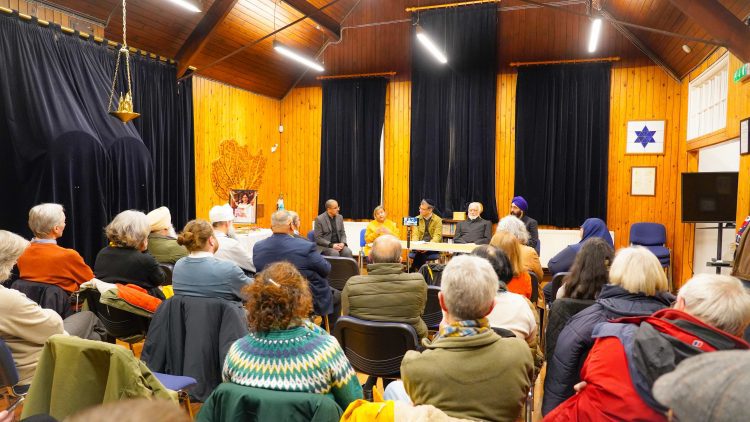
The Leicester Council of Faiths called for collaboration across diverse traditions-respecting genuine differences—to advocate for a future in which strong palliative care, comprehensive safeguards, and genuine choice are central to public policy.
The vision is of a society that stands alongside the vulnerable, ensuring no one faces suffering alone or feels pressured in any direction regarding end-of-life decisions.
The event concluded with a tribute to Manjula Sood MBE, who recently passed away. As a founding member of the Council of Faiths, her contributions to fostering interfaith dialogue and community cohesion were warmly acknowledged.



