

By Romail Gulzar
Indian curry is widely regarded as one of the United Kingdom’s most beloved dishes. Its journey from colonial India to becoming a staple of British cuisine reflects a rich history of cultural exchange, immigration, and adaptation.
Among the many cities contributing to this culinary phenomenon, Leicester stands out as a vital hub for South Asian food culture and innovation. This article explores the origins and evolution of Indian curry in the UK, Leicester’s significant role in the curry industry, the current economic impact of this vibrant sector, and the challenges it faces today.
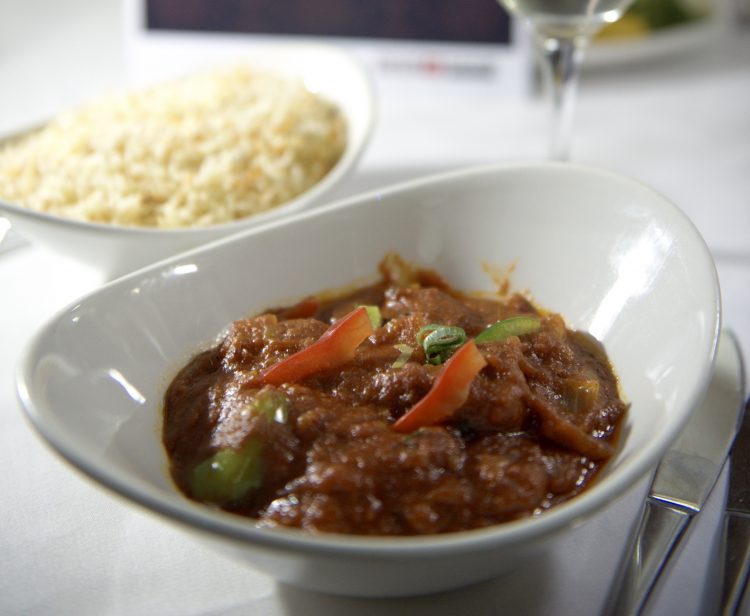
Picture credit: Pukaar News
Origins and Early Introduction
18th and 19th Centuries
Indian curry was introduced to Britain during the era of British colonial rule in India. British officers, administrators, and traders who spent time in India developed an appreciation for Indian cuisine. Early recipes for curry appeared in British cookbooks in the late 18th century, often adapted to suit local ingredients and milder palates compared to authentic Indian dishes.
Early 20th Century
Indian food remained relatively niche in Britain, mostly confined to Anglo-Indian households and elite circles. The first Indian restaurants began to appear in the early 20th century, primarily in port cities such as London and Liverpool, catering to British officers and Indian sailors.
Post-World War II and Immigration
Following World War II, significant immigration from India, Pakistan, and Bangladesh to the UK began, especially from the 1950s onwards, migration at the request by the Government for skilled workers to rebuild the country after many years of the war. Immigrants brought authentic Indian cooking with them and established more restaurants, introducing a wider British audience to Indian cuisine. The 1960s and 1970s saw a boom in Indian restaurants, often run by Bangladeshi immigrants, particularly in London’s East End.
Popularisation and Adaptation
Indian curry became increasingly popular among the British public, evolving into dishes adapted to local tastes. The famous chicken tikka masala, often cited as a British invention inspired by Indian cooking, emerged during this period and became a symbol of the fusion between Indian and British culinary traditions. Curry houses became staples in British towns and cities, often seen as affordable and flavourful dining options.
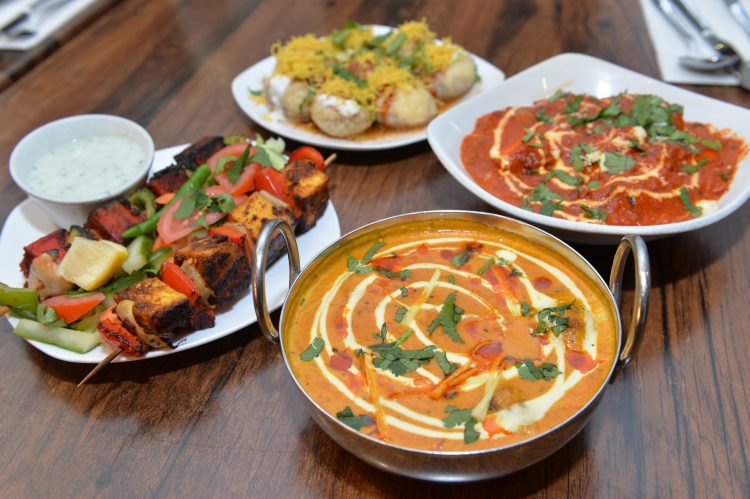
Picture credit: Pukaar News
Cultural Impact and Today
Indian curry is now considered one of the UK’s favourite dishes, with curry sometimes described as a “national dish” by commentators. The UK boasts one of the largest and most diverse Indian food scenes outside India, ranging from traditional regional dishes to modern fusion cuisine. Annual events, curry awards, and food festivals celebrate the cuisine’s importance in British culture.
Leicester City and Its Contribution to the Curry Industry
Leicester has one of the largest South Asian communities in the UK, particularly people of Indian, Pakistani, and Bangladeshi origin. Immigration to Leicester increased significantly after World War II, especially during the 1960s and 1970s when many South Asians settled there, attracted by employment opportunities in industries such as textiles and manufacturing. Leicester was also City of choice for a large proportion of Ugandan Asians in 1972 who brought their own flavours and tastes.
Growth of the Curry Industry in Leicester
The growing South Asian population led to the establishment of numerous Indian, Pakistani, and Bangladeshi restaurants, takeaways, and food businesses. Leicester became known as a hub for authentic South Asian cuisine, offering a wide variety of regional dishes from across the Indian subcontinent. The city’s curry houses gained a reputation for quality and authenticity, attracting customers from across the UK. Leicester boasts a majority of pub curry restaurants alongside pure vegetarian establishments, reflecting the city’s diverse culinary offerings.
Innovation and Fusion
Leicester’s curry industry is noted for its innovation, blending traditional recipes with local tastes and ingredients. The city is credited with nurturing chefs and restaurateurs who have influenced British curry culture more broadly. Leicester’s curry scene includes not only traditional curries but also street food, fusion cuisine, and contemporary interpretations of South Asian dishes.
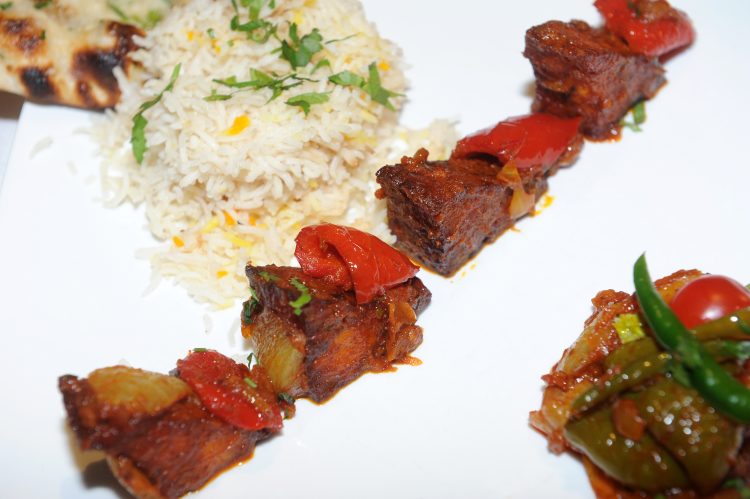
Picture credit: Pukaar News
Cultural and Economic Impact
The curry industry has been a major contributor to Leicester’s economy, providing employment and supporting local suppliers. The city hosts cultural events and food festivals celebrating South Asian cuisine, helping to raise the profile of Indian curry and related foods. Leicester’s success with curry restaurants has helped change perceptions of South Asian food in the UK, highlighting its diversity and richness.
Recognition and Awards
Leicester has been recognised as one of the top cities in the UK for curry, often cited alongside London and Birmingham. In 2024, Leicester was named England’s Curry Capital. The city also hosts the popular Leicestershire Curry Awards, established in 2017, which celebrate excellence in the local curry industry. Local chefs and restaurants have won numerous awards and accolades, contributing to Leicester’s reputation as a centre of excellence for Indian and South Asian cuisine.

Picture credit: Pukaar News
Community and Social Integration
The curry industry in Leicester has been a vehicle for community cohesion and cultural exchange, bringing people together through food. It has also played a role in intergenerational cultural transmission, with many second- and third-generation British South Asians continuing family culinary traditions.
Economic Impact and Net Worth of the UK Curry Industry
The UK curry industry is a significant economic sector. As of 2024, the Indian and South Asian restaurant industry is estimated to be worth approximately £3.5 billion annually. There are over 12,000 Indian, Pakistani, and Bangladeshi restaurants and takeaways across the UK, employing tens of thousands of people.
Bangladeshi restaurateurs operate around 85% of these establishments, highlighting the community’s crucial role in the industry. The sector contributes substantially to the UK’s hospitality economy, including supply chains for spices, fresh produce, and catering services.
Leicester’s contribution to this industry is notable, with hundreds of curry houses and food businesses that generate millions in revenue annually, supporting local employment and tourism. The city’s recognition as England’s Curry Capital underscores its economic and cultural importance in the national curry landscape.
Current Challenges Facing the UK Curry Industry
Despite its success, the UK curry industry currently faces significant challenges that threaten its sustainability and growth.
One of the most pressing issues is the sharp increase in gas and electricity prices. Curry restaurants, which rely heavily on gas for cooking and electricity for refrigeration and lighting, have seen their operational costs soar. Many establishments use traditional cooking methods that require high heat for prolonged periods, making energy expenses a substantial portion of their overhead.
Inflation has driven up the cost of essential ingredients such as spices, fresh vegetables, meat, and dairy products. Global supply chain disruptions, partly due to the COVID-19 pandemic and geopolitical tensions, have exacerbated these price increases and led to occasional shortages.
Labour Shortages and Increased Wages
The hospitality sector has experienced labour shortages post-pandemic, leading to increased wage demands and recruitment difficulties. Many curry restaurants, often family-run, struggle to find skilled chefs and front-of-house staff, impacting service quality and operational hours.
Competition and Changing Consumer Preferences
The curry industry also faces stiff competition from other cuisines and fast-food chains. Additionally, evolving consumer preferences, including increased demand for healthier and plant-based options, require restaurants to adapt menus and invest in new recipes and training.
Impact on Small and Independent Businesses
Small, independent curry houses, which form the backbone of the industry, are particularly vulnerable to these challenges. Rising costs and reduced footfall have forced some to raise prices, reduce portion sizes, or even close permanently. This threatens the cultural diversity and authenticity that many curry enthusiasts value.
Industry Response
In response, some restaurants are adopting energy-efficient appliances, renegotiating supplier contracts, and diversifying their offerings to include delivery and takeaway services. Industry bodies and local councils are also advocating for support measures to help sustain this important sector.
Present Day Context
Indian curry in the UK is now better understood as part of a broader South Asian culinary tradition, influenced by the cuisines of Pakistan, India, Nepal, Sri Lanka, Afghanistan, and Bangladesh. This diverse South Asian influence continues to enrich the UK’s curry scene, making it one of the most dynamic and popular food sectors in the country.
Conclusion
The history of Indian curry in the UK is a story of cultural fusion, immigration, and adaptation. From its early colonial introductions to its status as a national favourite, curry reflects the multicultural fabric of modern Britain. Leicester’s vibrant South Asian community and thriving curry industry exemplify this journey, highlighting the city’s vital role in shaping the UK’s culinary landscape.
However, the industry now faces significant challenges, including rising energy costs, inflation, labour shortages, and changing consumer demands. Addressing these issues will be crucial in preserving the rich heritage and economic contributions of the UK’s curry sector. With resilience and innovation, the curry industry can continue to thrive as a beloved part of British culture.
Author note: this article was written on a research using various sources.



